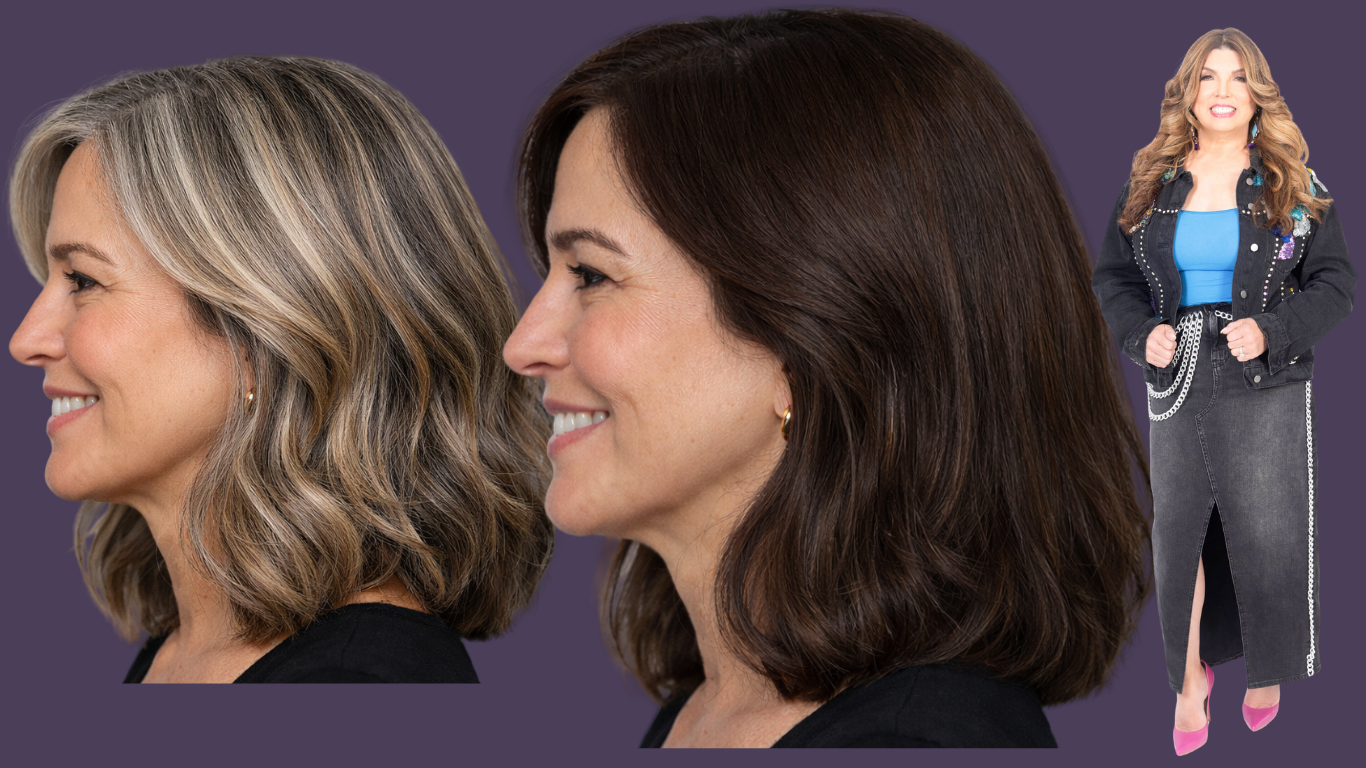
Gray Blending vs. Full Coverage: What’s Best for You?
Shades of Style by Jenna Levine (Master Colorist, Alfaparf Educator & Owner of HeadMaster Salon).
Gray hair is no longer something we automatically hide. Today, it’s a personal choice—one that reflects confidence, lifestyle, and self-expression. As a master colorist, I’m often asked the same question while clients sit in my chair:
“Should I fully cover my grays, or should I blend them?”
The truth is, there’s no universal answer. The right approach depends on your hair, your routine, and how you want to feel when you look in the mirror.
Understanding Your Gray Hair Journey
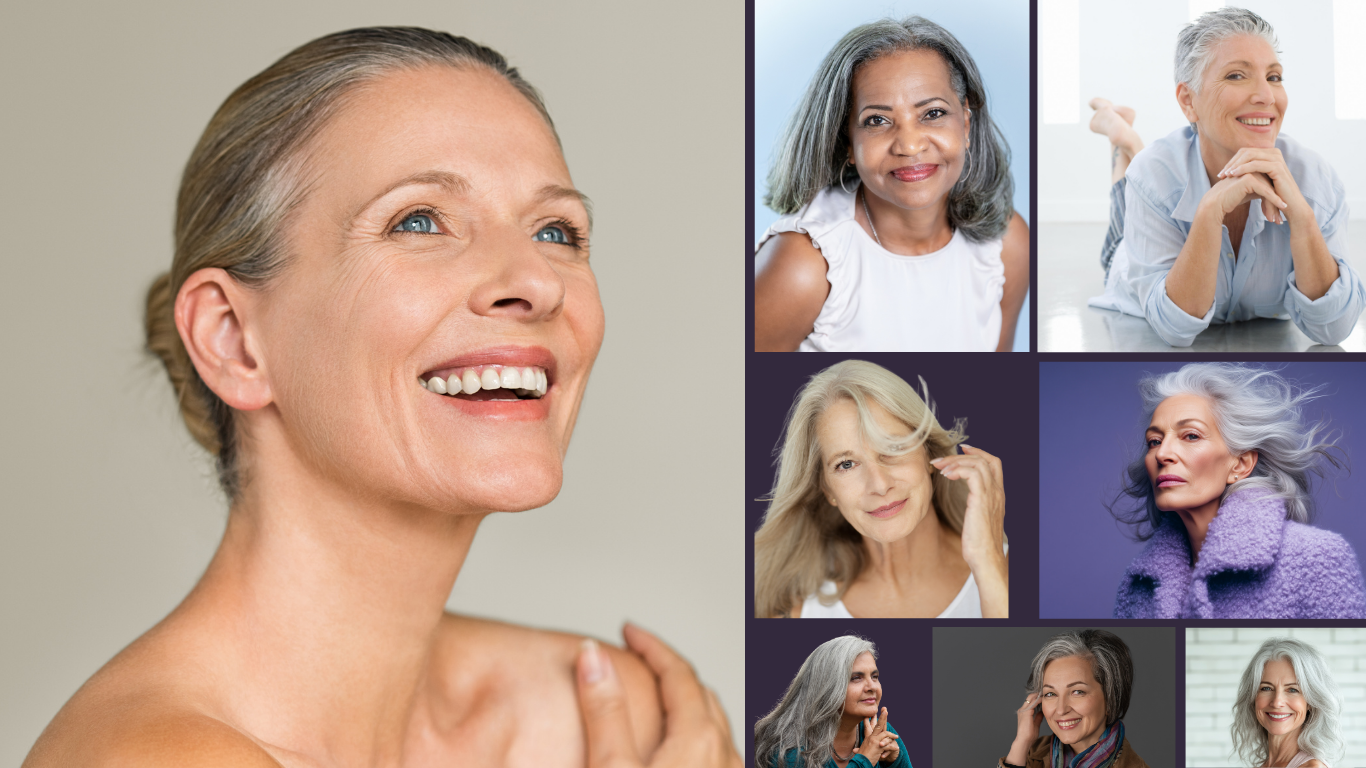
Gray hair shows up differently for everyone. For some, it begins with a few strands around the temples. For others, it appears more prominently at the crown or throughout the hairline. Texture often changes too—gray hair can be coarser, drier, and more resistant to color.
That’s why choosing between gray blending and full gray coverage should never be automatic. It should be intentional, personalized, and designed around you.
What Is Gray Blending?
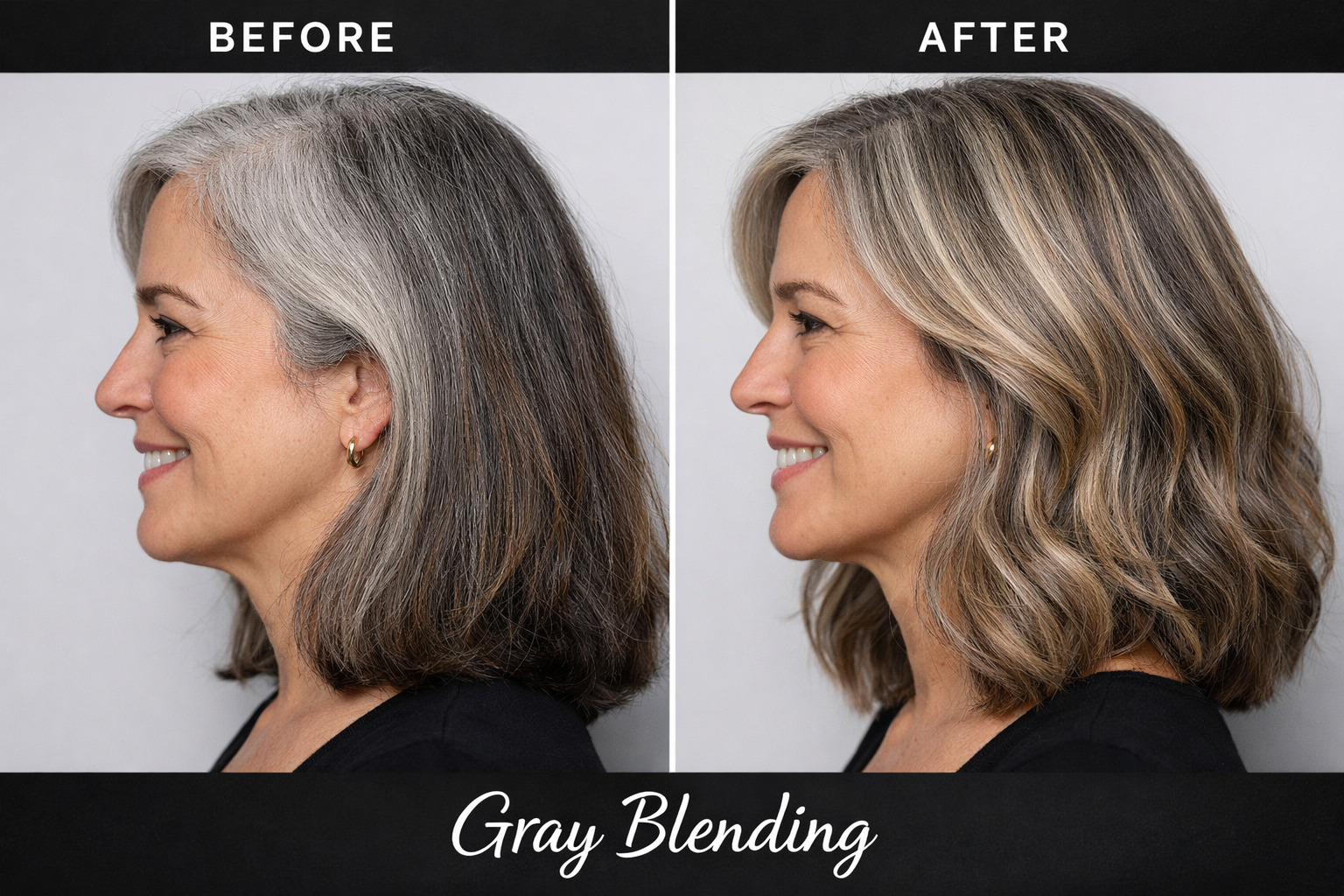
Gray blending is a modern, softer approach to coloring gray hair. Instead of covering every strand, we work with your natural grays—integrating them seamlessly into your overall color.
This technique often involves highlights, lowlights, glosses, and strategic placement to create a youthful, dimensional look without harsh regrowth lines.
Why Many of My Clients Choose Gray Blending:
- Softer, more natural-looking results
- Less noticeable regrowth
- Fewer salon visits
- A graceful transition as gray hair increases
- Added movement and brightness
Gray blending is ideal if you’re open to embracing your grays while still wanting polish and refinement.
What Is Full Gray Coverage?
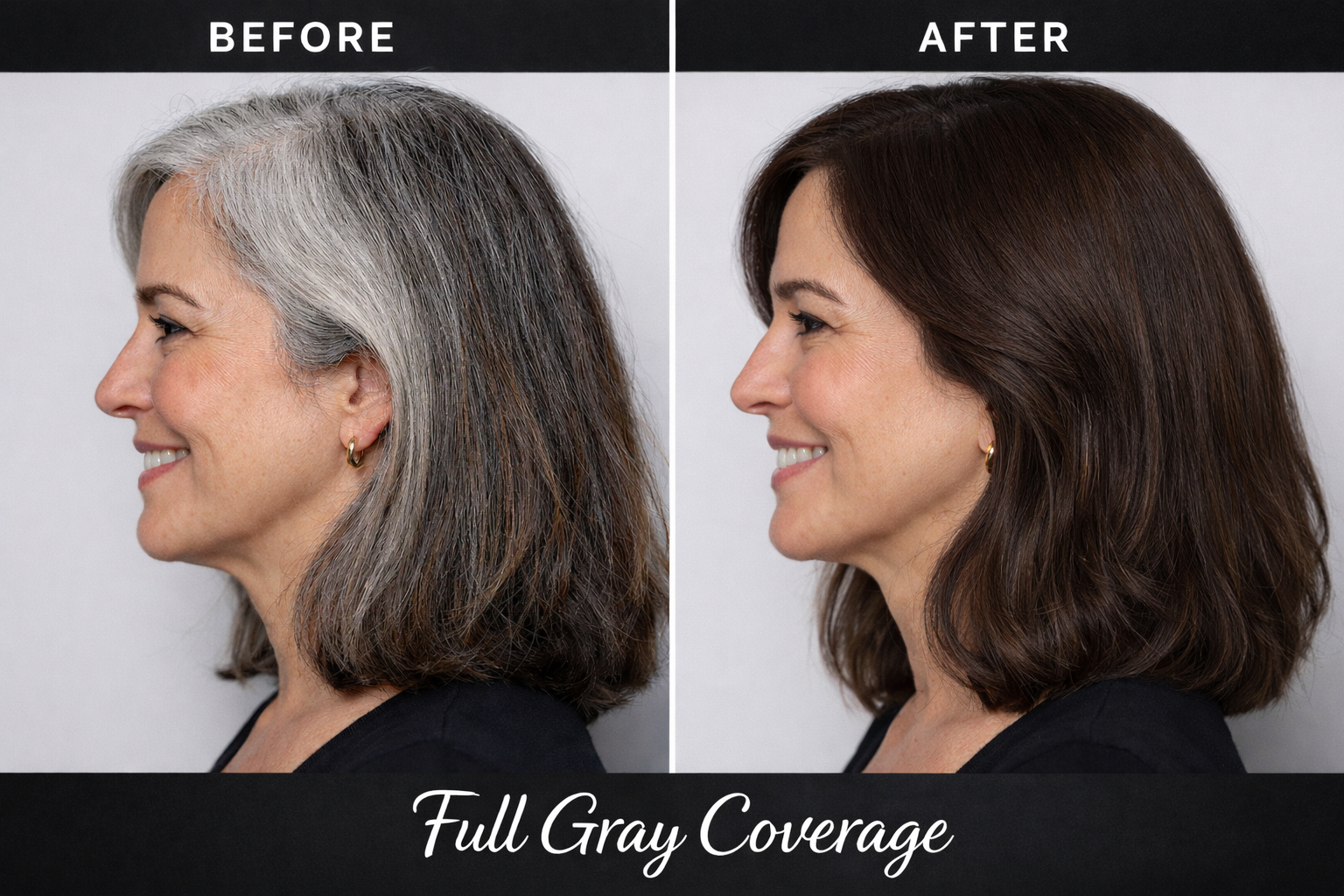
Full gray coverage is the traditional approach—every gray strand is fully saturated using permanent color for a uniform result from root to ends.
Full Coverage May Be Right for You If:
- You prefer a consistent, solid shade
- You have a higher percentage of resistant grays
- You enjoy regular maintenance appointments
- You want bold, defined color results
This method offers complete control over tone and depth, but it does require consistent upkeep as new growth appears.
Gray Blending vs. Full Coverage: How I Help You Decide
At HeadMaster Salon, I guide clients by asking a few key questions:
- How often do you want to visit the salon?
- Do you prefer soft dimension or solid color?
- Are you transitioning into gray or maintaining a long-standing shade?
Many clients discover they don’t need to choose just one. A customized approach—combining full coverage in specific areas with blended highlights elsewhere—often delivers the most natural and long-lasting results.
The Role of Professional Color
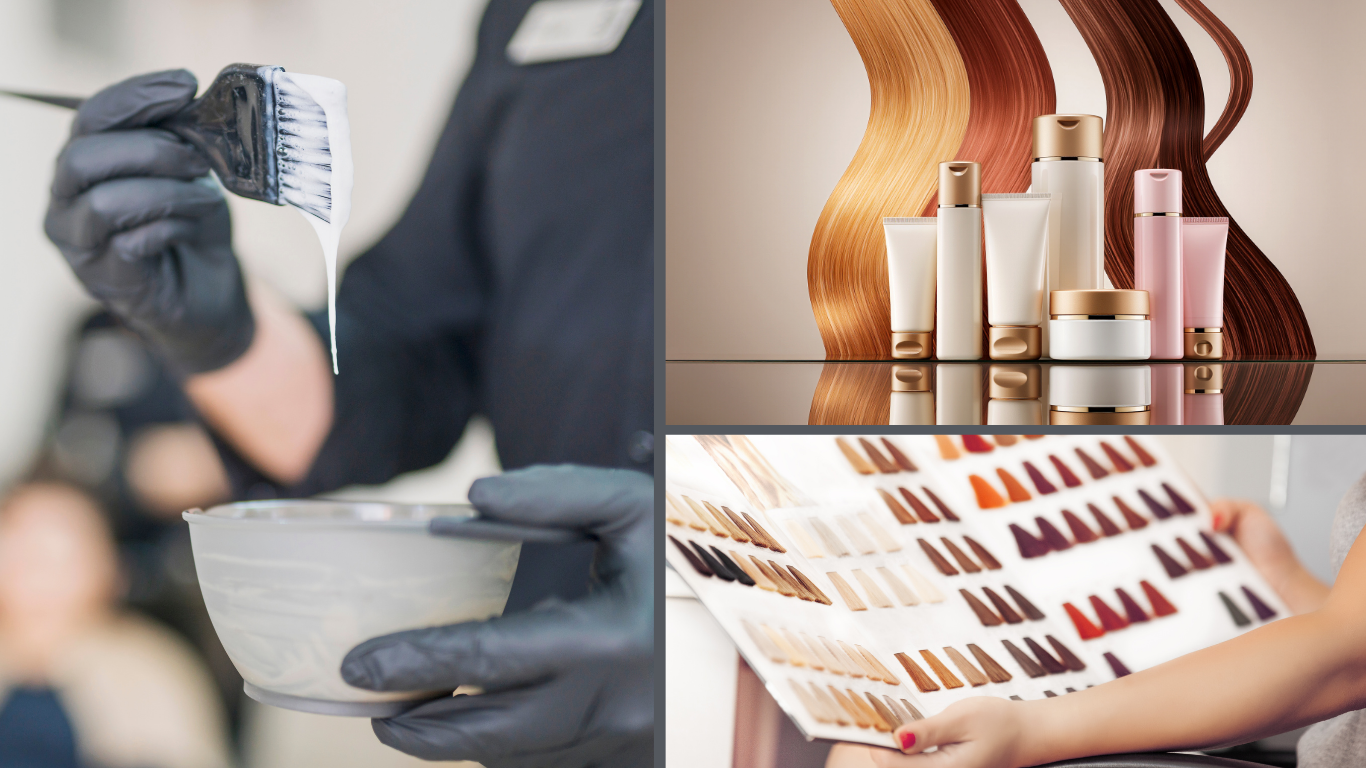
Regardless of the technique, the products used make a significant difference—especially for mature hair. As an educator for Alfaparf Milano Professional, I rely on advanced color systems that protect hair integrity, enhance shine, and maintain moisture.
Healthy hair always looks more youthful—no matter the shade.
Gray Is Not the End—It’s a Beautiful Evolution
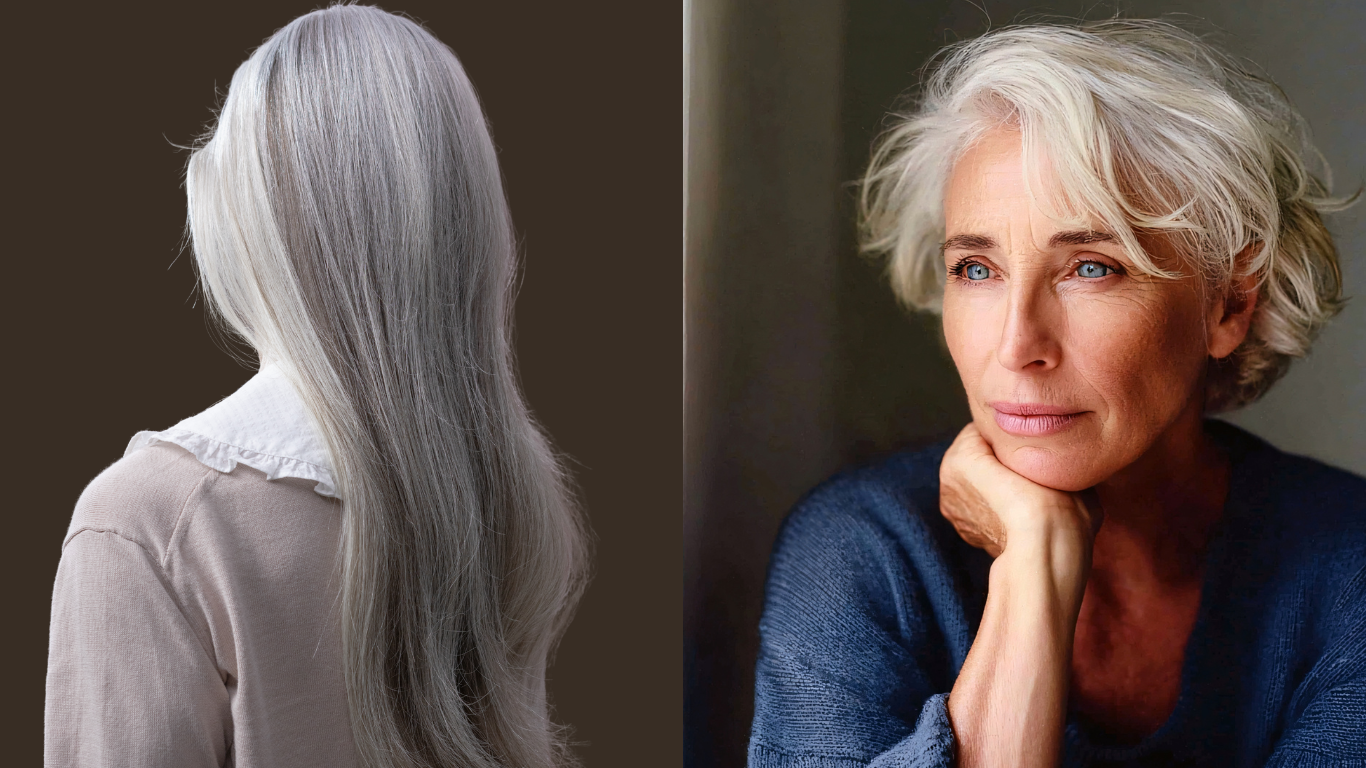
Gray hair is not about giving up—it’s about evolving. Whether you choose full coverage, soft blending, or a combination of both, the most important thing is that your hair reflects who you are now.
There is power in choice. There is beauty in confidence. And there is no single “right” way to wear your gray—only the way that makes you feel your best.
If you’re unsure which path to take, a professional consultation can change everything. Together, we can create a color strategy that fits your lifestyle, your personality, and your vision of modern beauty.
Until next time,
Jenna
Follow me on Instagram: @HeadMasterSalon
By Appointment Only ( Phone: 954-643-6797).
‘Blending’ de Canas vs. Cobertura Total: ¿Qué es Mejor para Ti?
Por Jenna Levine (Master Colorist, Educadora de Alfaparf & Propietaria de HeadMaster Salon).
Las canas ya no son algo que debamos ocultar automáticamente. Hoy en día, representan una elección personal: una expresión de seguridad, estilo de vida y autenticidad. Como master colorist, esta es una de las preguntas que más escucho en mi sillón:
“¿Debo cubrir completamente mis canas o es mejor mezclarlas?” La respuesta no es universal. La decisión correcta depende de tu cabello, tu rutina y de cómo deseas sentirte cuando te miras al espejo.
El Proceso de las Canas
Las canas aparecen de manera diferente en cada persona. En algunas comienzan de forma sutil en las sienes; en otras, se concentran en la coronilla o en el contorno del rostro. Además, la textura suele cambiar: el cabello canoso puede volverse más grueso, seco y resistente al color. Por eso, elegir entre mezclar las canas o una cobertura total debe ser una decisión consciente y personalizada.
¿Qué es el “blending” de Canas?
El “blending” o mezcla de canas es una técnica moderna y sofisticada que trabaja con tus canas naturales, en lugar de cubrirlas por completo. A través de mechas, reflejos, lowlights y glosses estratégicos, logramos integrar las canas de forma armoniosa en el color general.
¿Por Qué Muchas Mujeres Eligen el “Blending” de Canas?
- Resultados más suaves y naturales
- Menos contraste en el crecimiento
- Menor mantenimiento
- Es una transición elegante a medida que aparecen más canas
- Aporta más dimensión y movimiento en el cabello.
Es ideal para quienes desean aceptar sus canas sin renunciar a un look fresco y juvenil.
¿Qué es la Cobertura Total de Canas?
La cobertura total implica saturar completamente cada hebra canosa con color permanente, logrando un tono uniforme de raíz a puntas.
La Cobertura Total es Ideal Si:
- Prefieres un color sólido y definido
- Tienes un alto porcentaje de canas resistentes
- Disfrutas visitas regulares al salón
- Buscas un resultado clásico y pulido
Este método ofrece máximo control del tono, aunque requiere mayor mantenimiento para retocar el crecimiento.
Mezcla de Canas vs. Cobertura Total (Gray Blending vs Full Coverage)
En HeadMaster Salon, siempre guío a mis clientas con estas preguntas clave:
- ¿Cada cuánto deseas venir al salón?
- ¿Prefieres dimensión suave o un color uniforme?
- ¿Estás en transición hacia tus canas o mantienes un color definido?
Muchas veces, la mejor solución es una combinación de ambas técnicas: cobertura total en zonas específicas y mezcla de canas en el resto del cabello para un resultado natural y duradero.
La Importancia de Usar Color Profesional
Independientemente de la técnica, los productos profesionales hacen una gran diferencia, especialmente en cabellos maduros. Como educadora de Alfaparf Milano Professional, trabajo con sistemas de color avanzados que protegen la fibra capilar, aportan brillo y mantienen la hidratación.
Un cabello sano siempre luce más joven, sin importar el color.
Las Canas No Son el Final—Son una Hermosa Evolución
Las canas no significan rendirse, sino evolucionar. Ya sea que elijas cubrirlas por completo, mezclarlas de forma sutil o combinar ambas opciones, lo más importante es que tu cabello refleje quién eres hoy. La belleza está en la elección, la seguridad y la autenticidad. No existe una sola manera correcta de llevar las canas—existe tu manera.
Si no estás segura de qué camino tomar, una consulta profesional puede marcar la diferencia. Juntas, podemos crear una estrategia de color que se adapte a tu estilo de vida, personalidad y visión de belleza moderna.
Hasta la próxima,
Jenna
Sigueme en Instagram: @HeadMasterSalon
Para Citas: ( Teléfono: 954-643-6797).
#SponsoredPost
Craving for more? We recommend:
Fademy Ignited Miami Art Week With a High-Fashion Showcase of Vision, Craft, and Couture Brilliance
Walking on Air: Miami Design District Opens Art Week With the Craig Robins Collection Rehang
Cartier Unveils Its New Palm Beach Boutique at The Royal Poinciana Plaza
APUJAN Redefines the Deconstructive Cut-Out Trend for AW25
Why the New Small Santos de Cartier Is the Must-Have Watch of the Moment
Inside the 18th Anniversary of Original Living Magazine at the Biltmore
Lacoste Brought Sport and Style to the 2025 Miami Open Finals